1/1
Quotes
"The word remix is too closely associated with a now lost fashionability of a certain mash-up trend in music, which happened too recently to be considered retro chic and too long ago to be considered contemporary, it is caught in a kind of purgatory of taste."
"Remixing can be used as part of an explanation of how cultural things can be created but it's not the answer in itself."
"Realizing that everything isn't a remix of something else is as simple as noticing what is unique about any given moment. For instance, where the cynic sees a remix of Bill Clinton's administration, everybody else sees the first black president."
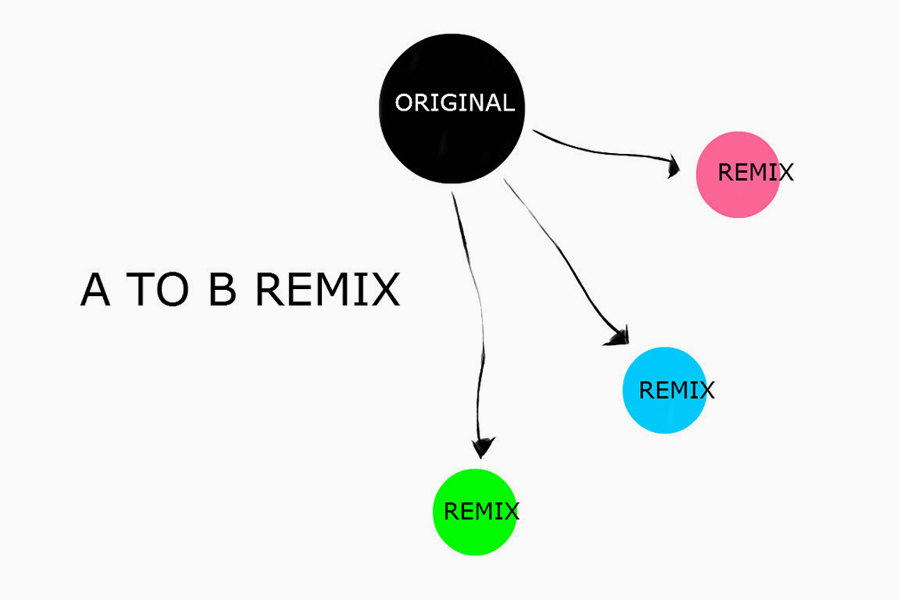
"It makes sense that the most remixed songs on YouTube are also the most viewed songs on YouTube. The remix is not confrontational; it's a tribute of fandom, an admission that the first product was so good that it could be dressed up in a seemingly endless number of variants and still maintain its excellence."
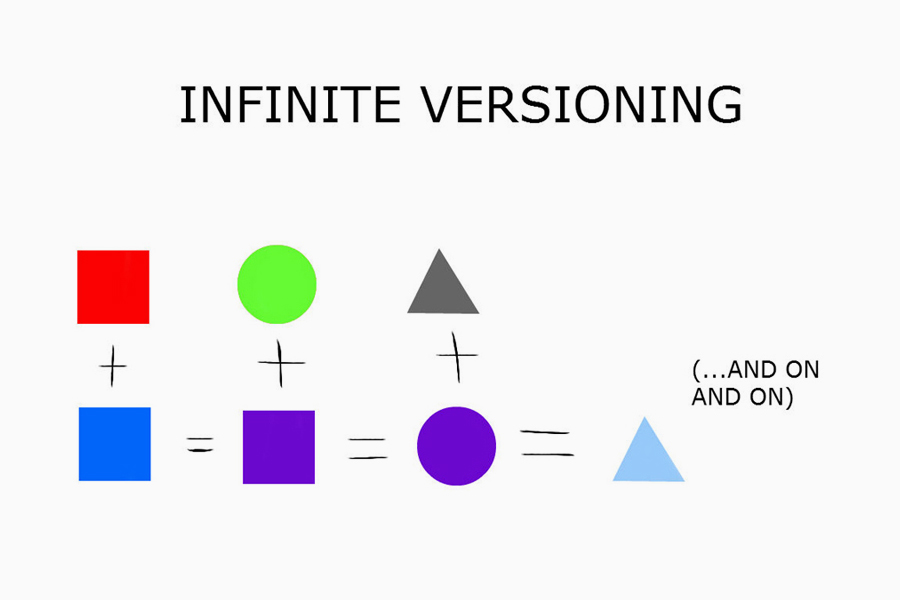
"Instead of maintaining a connection to the original, 'infinitive versioning' loses touch with where it came from, who it was made by, and when it was made. This process is not about the valorization, or remix, of the original, but about losing all ties to it, about adding to and switching out variables until none of the results bare any resemblance to where they started. If remix is a word that describes a product with a beginning, middle and end, then infinite versioning would differ from it in that it has no end and forgets its own beginning."
"The obsolescence of remixing is foreseeable not because anyone particularly hates remixing, but because we long for some process of creative production that is more current, that is more able to depict the moment in which we live. This turnover is healthy and is created from the same drive for contemporaneity that invented the remix in the first place."
About
Brad Troemel is a writer, artist, and instructor living in New York. As a writer his work focuses on the intersection of art and social media, showing the ways the internet both challenges and affirms historical conventions of art making. In the past two years Troemel has delivered lectures at the Queens Museum of Art, Eyebeam, PS1 MoMA, The Hirshorn Museum Washington DC, New York University, The Royal Academie of Art, Willem de Kooning Academy, RISD, Concordia University, University of Illinois Chicago, and the School of the Art Institute of Chicago.
In 2011 he published his first book, titled Peer Pressure, as a collection of essays published through various journals and magazines. He is a staff writer for Dis Magazine. As an artist Troemel's most recent work makes use of anonymous online black markets, positioning the consumption of contraband purchased online as an aestheticized and temporary form of autonomy. He is presently a part time faculty member in the art department at NYU.
Links
◆ Brad Troemel's Website
◆ Dis Magazine
Publication